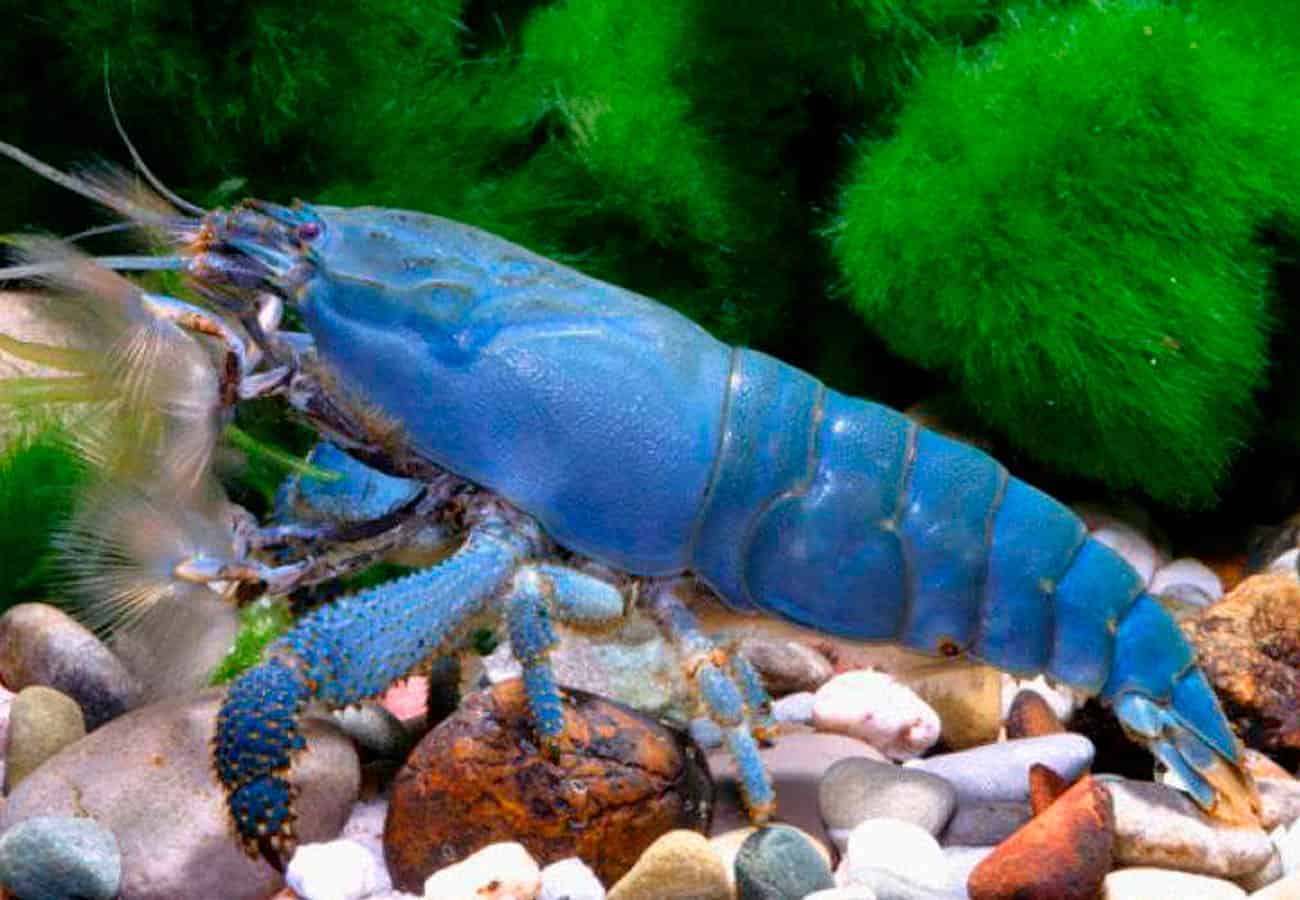
The Vampire Shrimp (Atya gabonensis), also commonly known as the African Fan Shrimp or Cameroon Filter Shrimp, is native to the fast-flowing rivers of West Africa. They owe their spooky nickname to their nocturnal habits and the small, pointed “horns” on their front legs.
However, they pose absolutely zero threat to your tank inhabitants. They lack any tearing claws or pincers. Instead, they feature unique, feather-like fans that they open up like small umbrellas to capture suspended particles, microalgae, and organic detritus floating in the water.
Essential Guidelines for the Beginner Aquarist
While they are highly durable once settled, keeping Vampire Shrimp successfully requires a basic understanding of their unique biological needs:
-
The Power of Water Flow: Because these animals are sedentary filter feeders, they rely on water movement to eat. Your aquarium must feature an internal filter, powerhead, or strong wavemaker to generate a reliable current. Position a piece of driftwood or flat rock directly in front of this flow to give your shrimp the perfect elevated “perch” to stand and fan for its meals.
-
Preventing Starvation: A pristine, brand-new aquarium often lacks enough natural microscopic debris to sustain a giant filter shrimp. You should supplement their diet 2–3 times daily by mixing powdered foods (such as Spirulina powder, baby brine shrimp, or finely crushed high-quality flakes) with a bit of tank water. Use a pipette or a target-feeding syringe to gently release the food cloud directly upstream of their fans.
Beginner Tip: If you notice your Vampire Shrimp actively sweeping the substrate or digging into the sand with its fans, it is not finding enough food in the current and is at risk of starving. Increase your target feedings immediately.
-
The Molting Phase & Hiding Places: To grow, your shrimp will periodically shed its hard outer exoskeleton (molting). During this time, its new shell is soft, leaving it incredibly vulnerable and shy. It is vital to provide plenty of caves, hollow logs, and dense aquatic plants where it can safely hide for a few days until its new armor hardens. Never throw away a discarded shell; leave it in the tank, as the shrimp will consume it later to reclaim essential calcium.
-
Chemical Sensitivities: Like all freshwater invertebrates, Vampire Shrimp are highly sensitive to sudden changes in water quality. Ensure your tank is fully cycled with 0 ppm Ammonia and 0 ppm Nitrite. Furthermore, copper is strictly fatal to them. Always read the ingredients on aquarium plant fertilizers and medications to ensure they are 100% copper-free.
Reviews
There are no reviews yet.