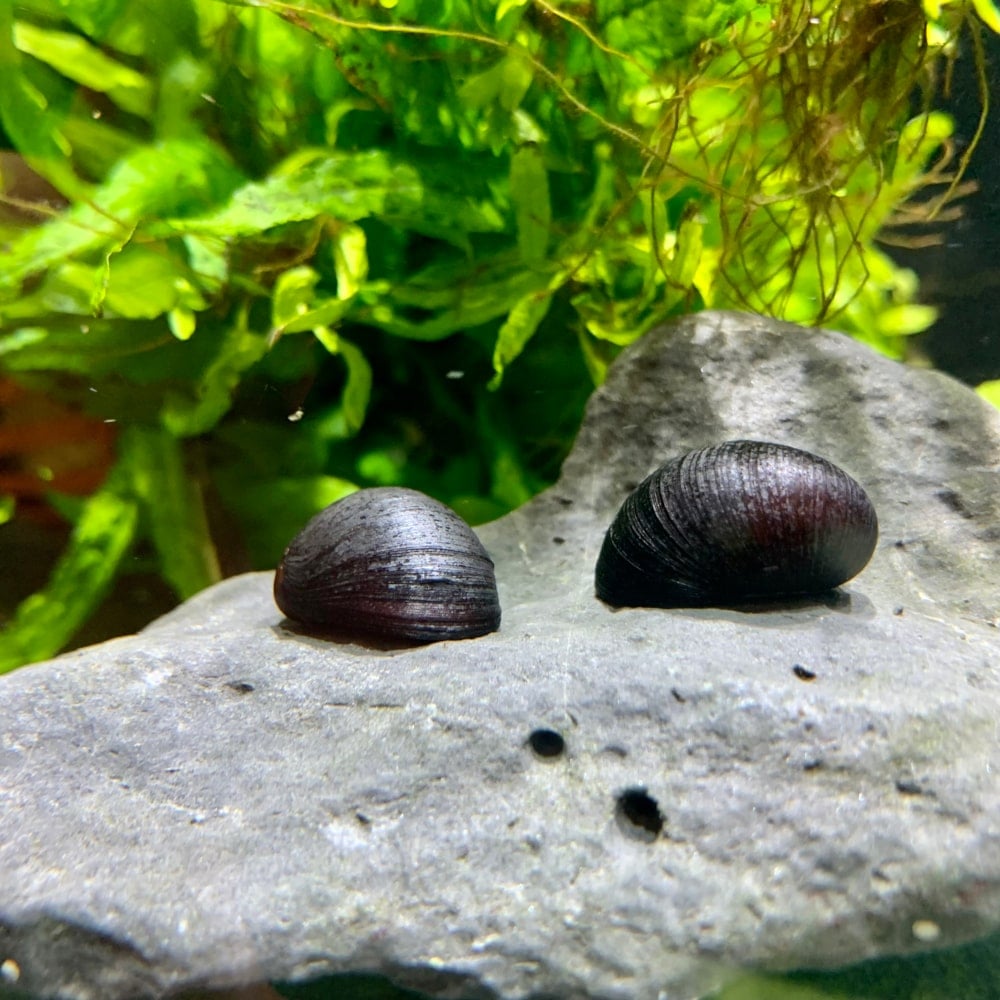
The Black Military Helmet Snail (Neritina puligera) is a standout member of the Neritidae family, native to fast-flowing tropical streams throughout Southeast Asia. Unlike common “pest” snails that enter an aquarium and quickly multiply into the hundreds, Military Helmet Snails strictly require brackish water to successfully breed. This makes them a stress-free choice for beginners who want a sparkling clean tank without unexpected population explosions.
Growing to an adult size of roughly 1 to 1.5 inches, their beautifully understated, glossy dark-brown to midnight-black shells look incredibly striking against bright green aquatic plants and light-colored substrate.
Behavior and Aquarium Compatibility
These snails are model citizens in a community aquarium. They possess a peaceful disposition, completely ignoring fish, freshwater shrimp, and other invertebrates. Because they lack long, trailing tentacles that look like food to fish, they are less likely to be nipped at.
-
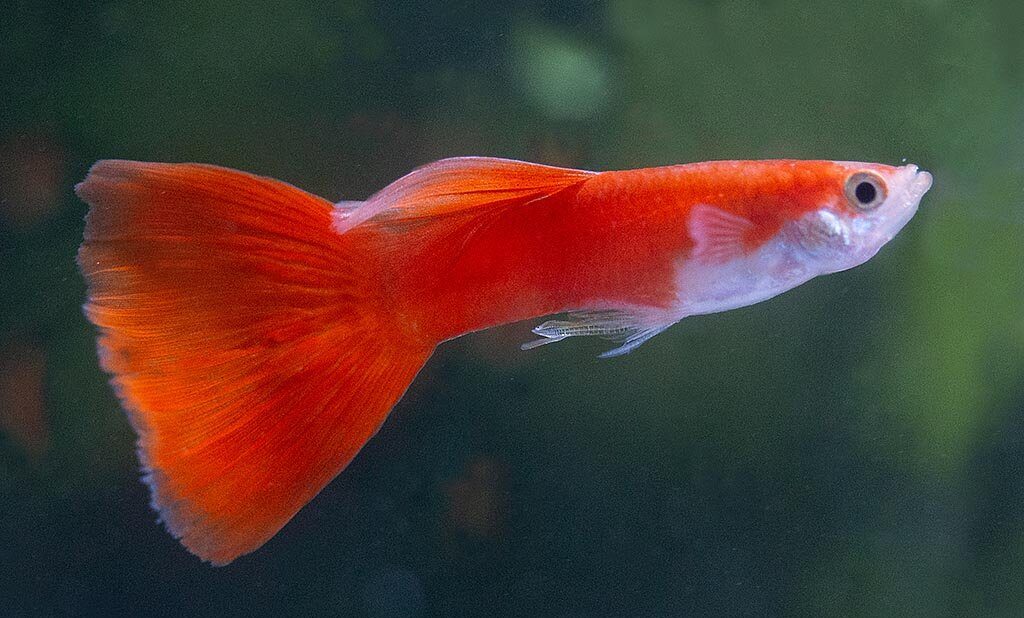
Ideal Tankmates: Perfect companions include small schooling fish (Tetras, Rasboras, Guppies), bottom-dwellers (Corydoras catfish, Otocinclus), and dwarf shrimp (Cherry Shrimp, Amano Shrimp).
-
Avoid: Large or aggressive species that specialize in eating invertebrates, such as Loaches, Pufferfish, Assassin Snails, and aggressive Cichlids.
Dietary Needs & Preventing Starvation
While Black Military Helmet Snails are legendary for their ability to scrub away tough green spot algae and brown diatoms, their efficiency can sometimes be their downfall. In a tank that is “too clean,” these industrious grazers can easily run out of food.
-
Primary Diet: They feed around the clock on natural biofilm and algae accumulating on aquarium glass, hardscape rocks, and driftwood. They only consume dead or decaying organic plant matter and will leave your living plants entirely untouched.
-
Supplemental Feeding: If your tank lacks visible algae, you must feed them directly. Offer high-quality sinking algae wafers, spirulina tablets, or blanched vegetables (such as zucchini or spinach slices) two to three times a week.
Vital Tips for Beginner Success
⚠️ Copper Warning: Like all aquatic invertebrates, snails are highly sensitive to copper. Always read the labels on aquarium medications and plant fertilizers carefully; copper-based treatments can be completely fatal to them.
-
Aquarium Acclimation: When adding your new snails to the tank, do not drop them in carelessly. Unlike some snail species, Nerite snails can have a very difficult time flipping themselves back over if they land upside-down on their shells. Place them right-side up gently onto a flat rock or the substrate.
-
The Escape Artist Tendency: These snails naturally inhabit tidal streams and will occasionally climb above the waterline to graze on mineral deposits. To prevent them from embarking on a dangerous land excursion, ensure your aquarium is equipped with a tight-fitting lid or hood.
-
Maintaining Shell Health: If you notice their shells cracking, peeling, or developing small white pits, your water is likely too soft or slightly acidic. To counter this, add a small bag of crushed coral to your filter or provide a piece of cuttlebone to naturally buffer the pH and introduce essential calcium back into the water column.
Reviews
There are no reviews yet.