
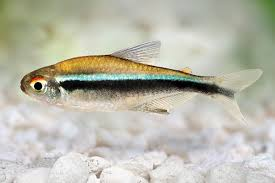
Native to the Rio Aripuanã in Brazil’s Rio Madeira basin, the Raccoon Tetra (Hyphessobrycon procyon) grows to 4-5 cm and features a shimmering silver body with delicate red and black markings around the eyes, mimicking a raccoon’s face. Its translucent fins and subtle iridescence make it a standout in any aquarium, especially under dim lighting. Beginners will appreciate its vibrant yet subtle beauty without demanding advanced setups.
Ideal Tank Setup
For beginners, start with a minimum 20-gallon tank (larger for groups) featuring a dark substrate, fine-leaved plants like Java moss, and subdued lighting to enhance colors and reduce stress. Include hiding spots with driftwood or caves. These tetras prefer soft, slightly acidic water but adapt well to neutral parameters if stable. Maintain a filtration system for gentle flow, as they hail from slow-moving river tributaries.
Water Parameters
Keep temperature at 75-82°F (23-27°C), pH between 6.0-6.5 (up to 7.5 tolerated), and GH 5-15 for optimal health. Use a heater and thermometer for consistency, and test weekly with a reliable kit—sudden changes stress these sensitive swimmers. Add botanicals like alder cones or peat for natural blackwater vibes, mimicking their Amazonian home.
Diet and Feeding
Omnivorous and easy to feed, Raccoon Tetras accept high-quality flakes, micro pellets, granules, and sinking foods daily. Supplement 1-2 times weekly with frozen or live treats like bloodworms, daphnia, or brine shrimp to boost color and vitality. Feed small amounts twice a day to avoid waste—overfeeding clouds water and harms beginners’ tanks.
Social Behavior and Compatibility
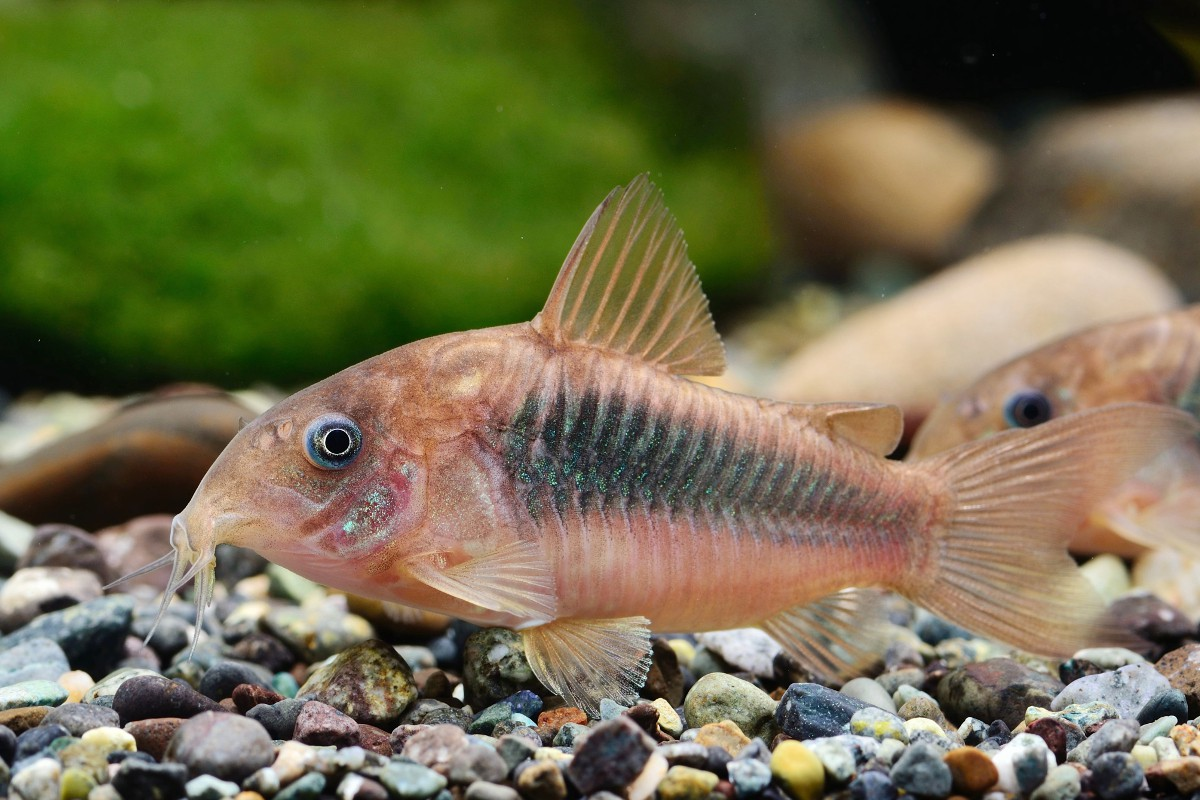
Peaceful and schooling by nature, keep at least 6 together to promote natural flocking and reduce skittishness. Ideal community mates include other tetras, rasboras, corydoras, or shrimp—avoid fin-nippers or aggressive species. Males show extended fins during displays, adding dynamic interest without territorial issues.
Breeding Tips for Beginners
Breeding is straightforward in a separate 10-gallon tank with soft, acidic water (pH 6.0), plants or spawning mops, and a temperature bump to 82°F. Condition pairs with live foods, then remove adults post-spawning to protect eggs (hatch in 24-36 hours). Feed fry infusoria or baby brine shrimp. Success yields rewarding swarms of juveniles.
Maintenance Advice
Perform 25-30% weekly water changes to keep parameters stable. Quarantine new fish to prevent introducing diseases. With proper care, these tetras live 3-5 years, bringing joy to novice aquarists.

Reviews
There are no reviews yet.