

Trichromis salvini is a robust, medium‑sized cichlid from the rivers of Mexico, Guatemala and Belize, where it inhabits moderate to fast‑flowing waters in lower and middle river valleys. The fish is easily recognised by its intense yellow body coloration, bold horizontal black pattern and often bright red and blue highlights, especially on mature females and breeding pairs.
In the aquarium, this species offers constant movement and colour, becoming the visual centrepiece of a Central American or mixed robust‑cichlid setup. With appropriate space, décor and tank mates, Trichromis salvini can be a rewarding focal fish for an aquarist ready to step beyond small community species.
Tank size and setup for beginners
For a single adult or bonded pair, a tank from around 200–250 litres (approx. 4 ft length) is recommended, with larger volumes for mixed cichlid communities. A longer tank helps to break up territories and gives this active swimmer sufficient horizontal space to establish a natural hierarchy and display full coloration.
A sandy or fine‑gravel substrate is ideal, as Trichromis salvini likes to dig and rearrange the foreground. Provide solid décor such as stacked rocks, driftwood and ceramic or rock caves, arranged to create hiding places and visual barriers, while leaving open areas at the front or centre of the tank for free swimming.
Water parameters and filtration
Trichromis salvini is adaptable but must have stable and clean water, which is critical for beginner success. Recommended temperature ranges from about 22–26 °C in standard setups, up to roughly 28 °C if required, as long as oxygenation is good. A pH between approximately 6.5 and 8.0 and moderate hardness suits this species, so typical tap water in many European regions is often acceptable once dechlorinated and matched consistently.
Because this cichlid is a relatively heavy feeder, strong filtration and good water movement are very important, and a quality external canister or powerful internal filter is recommended for beginner aquarists. Regular partial water changes, for example 20–30% weekly, help keep nitrate levels low and maintain fish health over the long term.
Temperament and tank mates
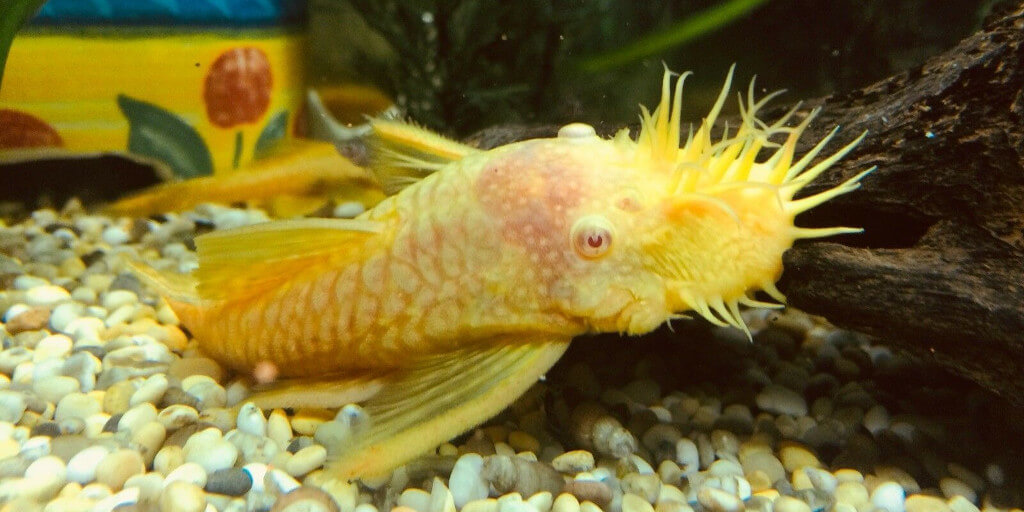
Trichromis salvini is semi‑aggressive and strongly territorial, particularly during breeding, so it is not suitable for peaceful community tanks with small fish. When choosing companions, select similarly robust Central American cichlids or larger catfish and plecos that can tolerate assertive behaviour and occupy different levels of the aquarium.
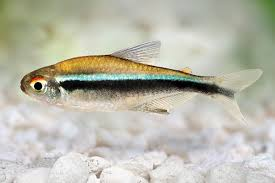
Beginners should avoid mixing Trichromis salvini with very small or delicate species such as tetras, guppies or shrimp, which may be seen as food or become stressed. Introducing décor that creates broken lines of sight and multiple territories reduces direct confrontations and makes the aquarium easier to manage for less experienced keepers.
Feeding and everyday care
In captivity, Trichromis salvini accepts a wide variety of foods and does well on a staple diet of high‑quality cichlid pellets or granules, supplemented with frozen or live foods such as bloodworms and brine shrimp. Occasional offerings of suitable vegetable matter or spirulina‑based foods support digestion, but very high‑fibre diets should be avoided to reduce the risk of bloating.
For beginner aquarists, feeding two small meals per day, only as much as the fish will consume within a few minutes, helps maintain water quality and reduces aggression caused by hunger. Consistent routines for lighting, feeding and maintenance make the fish more predictable and easier to observe, so any health or behaviour changes can be addressed quickly.

Reviews
There are no reviews yet.