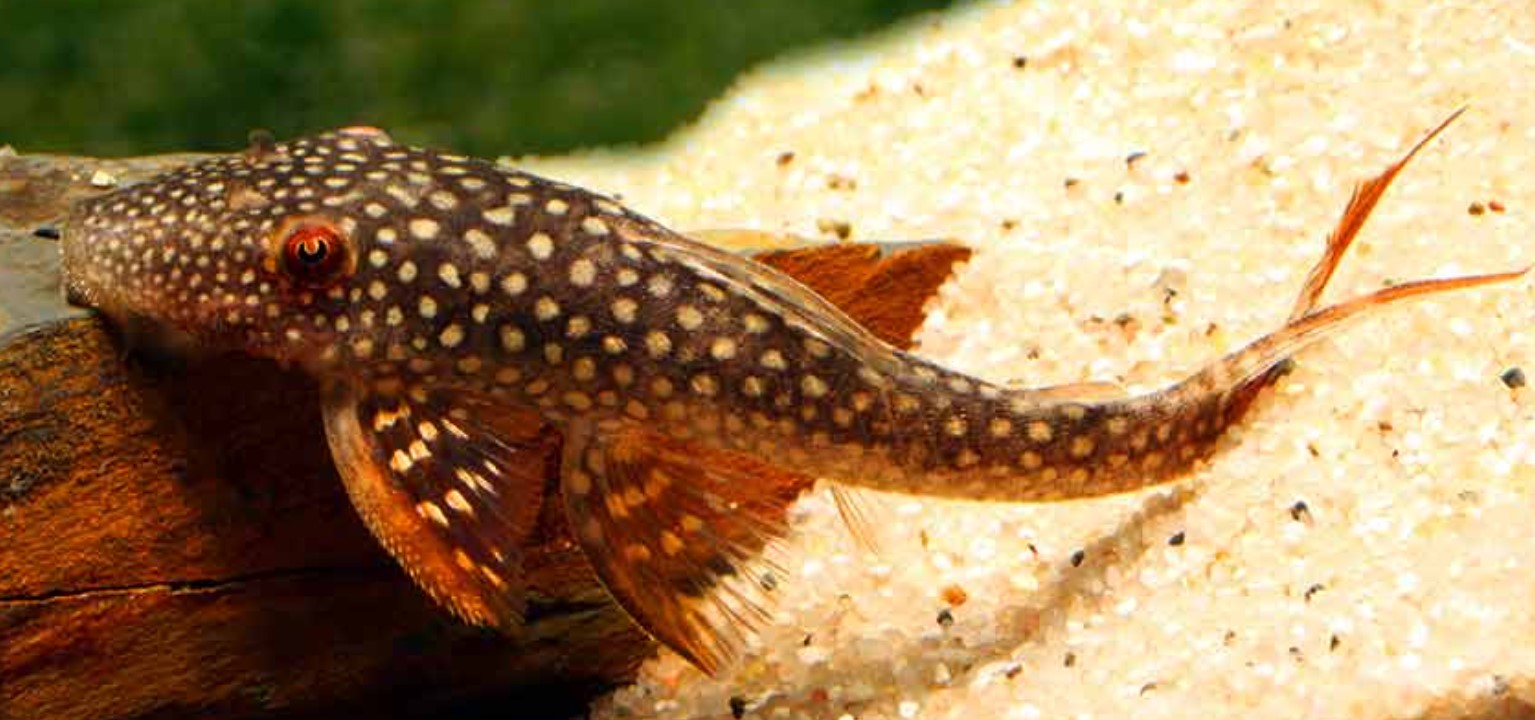
Hailing from the fast-flowing, oxygen-rich river basins of South America—primarily throughout Ecuador and Peru—the L178 Lasiancistrus belongs to the Loricariidae family of armored catfish. In the wild, their highly adapted suckermouths allow them to anchor tightly to submerged rocks and driftwood structures against heavy river currents.
For the beginner aquarist, understanding their physical structure is key: they feature a naturally flatter head profile than the standard Ancistrus (Bristlenose) family and lack the large, fleshy facial tentacles typical of that genus. Instead, they sport an elegant array of fine white dots over a dark body frame, accented by beautiful reddish margins along the caudal (tail) and dorsal fins.
L178 Lasiancistrus displaying its signature white spotting and reddish fin highlights.
Aquarium Setup & Environmental Needs
Replicating a riverine environment is the secret to a thriving L178 Pleco. Because they generate a significant amount of bio-waste (bioload) due to constant grazing, strong filtration is paramount.
-
Substrate & Hardscape: Use a smooth sand or fine gravel substrate to protect their delicate underbellies. It is vital to include natural driftwood in their habitat; these fish naturally rasp on wood fibers to assist their digestive systems.
-
Hiding Spaces: As a naturally nocturnal and secretive species during daylight hours, provide ample hiding opportunities using slate caves, hollow logs, or smooth rock structures. Ensure there are more caves than bottom-dwellers to minimize territorial disputes.
-
Plants & Lighting: Subdued or moderate lighting will encourage your L178 to venture out more during the day. While they are safe with most robust live plants, choose hardy species such as Anubias or Microsorum (Java Fern) that can be anchored directly onto wood or rocks, preventing them from being accidentally uprooted by the fish’s stiff, armored body.
Dietary Requirements & Feeding Guidelines
While frequently sold as “cleaner fish” to combat tank algae, the L178 Lasiancistrus cannot survive on tank scraps alone. They require a dedicated, well-rounded feeding routine.
Ideal Tank Mates
The L178 is an exceptionally peaceful resident that ignores mid-water and surface-dwelling fish entirely. They are excellent companions for:
-
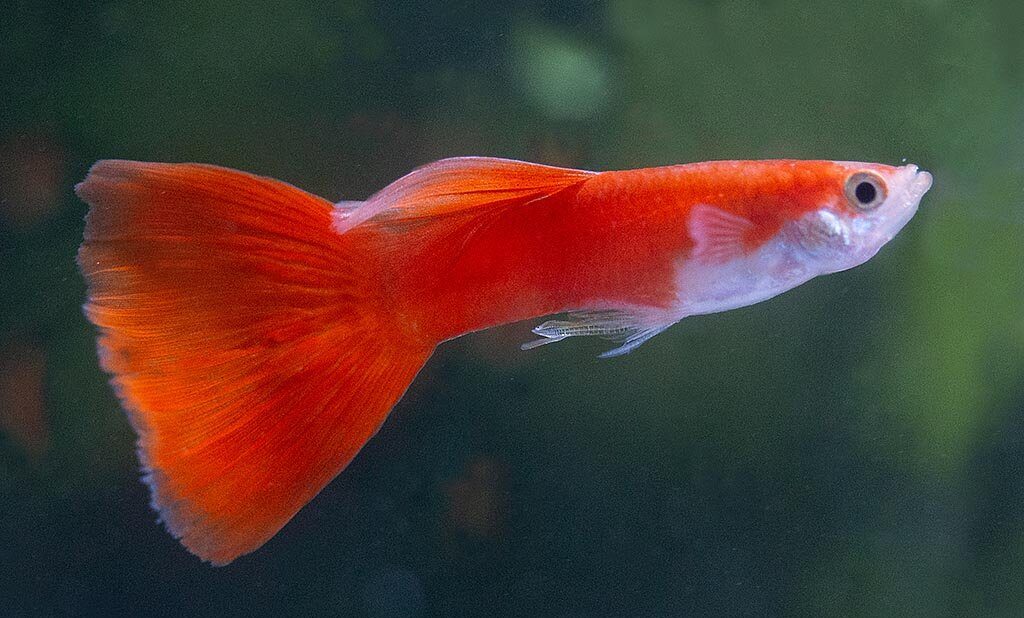
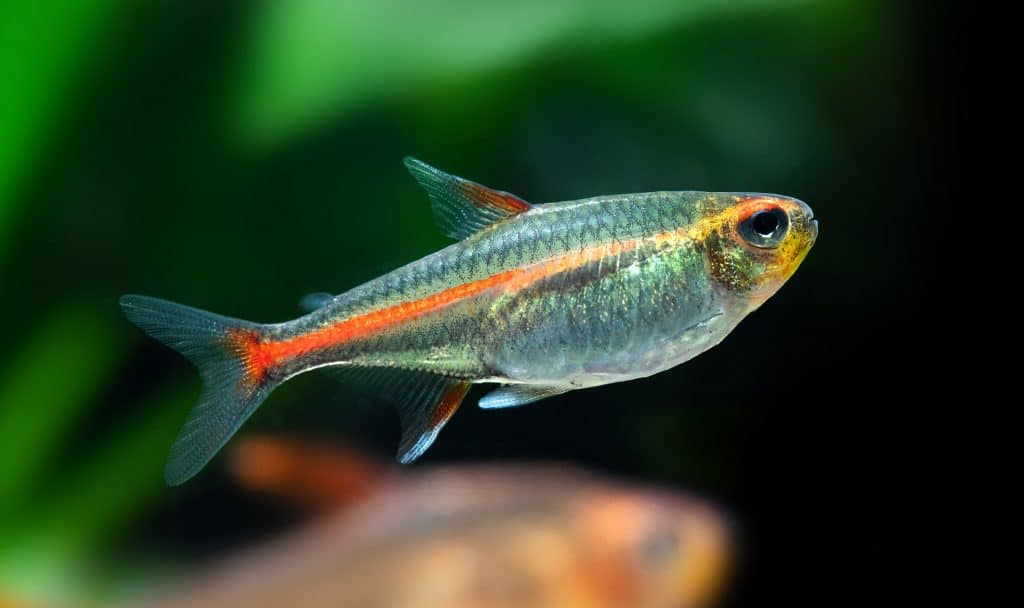
Peaceful tetras, rasboras, and guppies.
-
Gouramis and dwarf cichlids.
-
Active, non-aggressive schooling community fish.
Beginner Warning: Avoid housing them with large, highly aggressive carnivores (such as Oscar cichlids) that may attempt to swallow the catfish. Loricariids possess sharp, rigid pectoral fins that can lock into place, presenting a fatal choking hazard to predatory tank mates. If keeping multiple male plecos together, ensure the aquarium is at least 4 feet long with distinct visual barriers to prevent territorial scuffles over cave ownership.
Reviews
There are no reviews yet.