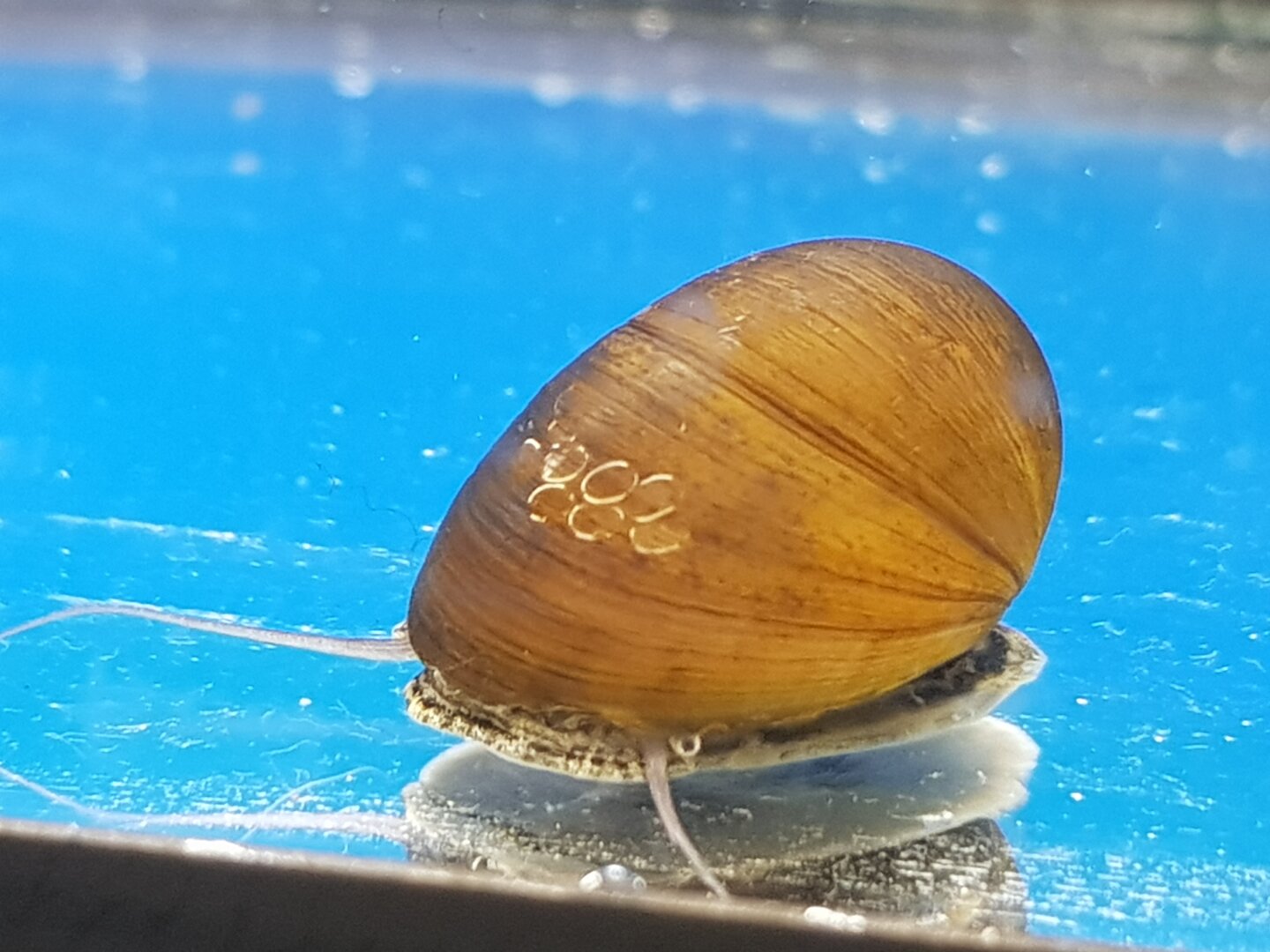
The Abalone Snail (Neritina sp.), often referred to by hobbyists as the Military Helmet Snail or Black Helmet Snail, features a beautiful, glossy, dark-toned shell ranging from deep brown to midnight black. Beyond its striking, minimalist aesthetic, this snail functions as a heavy-duty biological filter helper, working around the clock to keep your aquascape pristine.
Detailed Behavior and Compatibility
Abalone Snails are strictly non-aggressive, slow-moving substrate dwellers. They spend their time gliding across hard surfaces scraping away stubborn algae films.
-
Ideal Tankmates: They thrive alongside other peaceful community fish such as Tetras, Guppies, Rasboras, Corydoras Catfish, and dwarf shrimp (such as Cherry or Crystal Shrimp).
-
Avoid: Large or aggressive fish species that actively hunt invertebrates, including Loaches, Puffers, large Cichlids, and Assassin Snails.
Beginner Note: Like all Nerite varieties, Abalone Snails are entirely safe for live plants. They will crawl over delicate mosses and broad-leafed plants to lick off algae, but their mouthparts are physically incapable of harming healthy plant tissue. They will only consume decaying vegetation.
Feeding and Dietary Management
While these snails are legendary for their ability to self-forage on naturally occurring aquarium algae and biofilm, a closed ecosystem may eventually run out of their primary food source.
To maintain optimal long-term health, supplement their diet with high-quality algae wafers, spirulina pellets, or blanched vegetables (such as zucchini or spinach) dropped near them at night.
Crucial Care Tips for Shell Longevity
To ensure your Abalone Snail lives a long, healthy life, pay close attention to your water chemistry:
-
Maintain Elevated Calcium Levels: Snails require calcium and a stable, neutral-to-alkaline pH (above 7.0) to maintain and grow their shells. If your aquarium water is too soft or acidic, their shells will begin to pit, erode, and weaken over time. You can naturally supplement water hardness by adding crushed coral into your filter or substrate.
-
Copper Warning: Invertebrates are highly sensitive to copper. Always verify that any water conditioners, plant fertilizers, or medications added to the aquarium are explicitly labeled as “shrimp and snail safe” or 100% copper-free.
-
Acclimation Protocol: Upon receiving your snail, slowly acclimate them to your tank’s temperature and water parameters over 30 to 45 minutes using the drip or float method to minimize shock.
Reviews
There are no reviews yet.