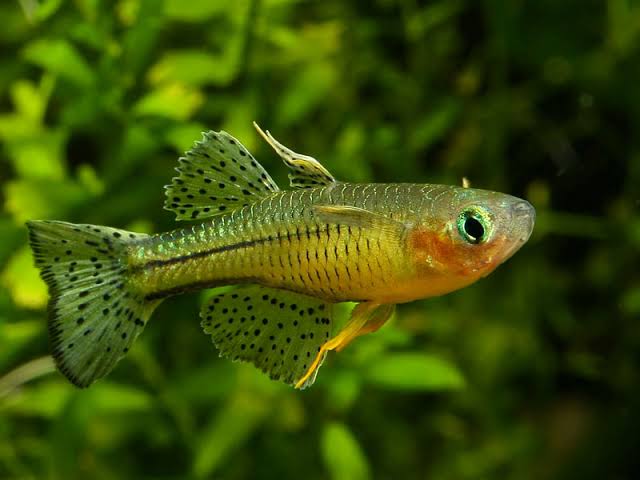
Pseudomugil gertrudae, commonly known as Gertrude’s Blue Eye or the Spotted Blue Eye Rainbowfish, is native to the lush, slow-moving creeks and heavily vegetated swamps of Northern Australia and New Guinea. Growing to a maximum size of just under 1.5 inches, this species is a true crown jewel for miniature aquatic ecosystems.
While females possess a subtle, elegant charm, the males are spectacular showstoppers. When displaying for females or establishing mild, harmless pecking orders with rival males, they flare open their oversized, delicate pectoral and dorsal fins like tiny sails. These fins are intricately dappled with dark spots and tipped with bright yellow or white trim.
Aquarium Setup Guidelines for Beginners
Setting up a successful environment for your Blue Eyes is straightforward if you keep these core elements in mind:
-
Aquascape & Shelter: These fish thrive best in a heavily planted aquarium. Utilize live plants like Java Fern, Anubias, and floating species like Amazon Frogbit. The plants recreate their natural habitat, offer shade, and make their bright coloration pop against the green backdrop.
-
Substrate & Decor: A dark substrate (sand or fine gravel) combined with natural driftwood roots mimics their native waters and helps reduce stress, making the fish feel secure.
-
Water Flow: Because they originate from calm creeks and wetlands, they prefer gentle water movement. Ensure your filter flow is adjustable or buffered by plants so these delicate swimmers aren’t pushed around too aggressively.
Diet & Feeding Routine
Gertrude’s Blue Eyes are enthusiastic omnivores. In the home aquarium, they will readily accept a varied diet. Because they have very small mouths, their food must be sized accordingly:
-
Crushed high-quality tropical flakes or micro-pellets.
-
Freeze-dried or frozen treats such as baby brine shrimp, daphnia, and cyclops.
-
Beginner Tip: Feeding them live or frozen foods once or twice a week significantly enhances their coloration and encourages active, healthy natural behaviors.
Ideal Tankmates
This species is exceptionally peaceful and completely safe to keep with other non-aggressive aquarium inhabitants. They lack the ability and desire to bully other fish.
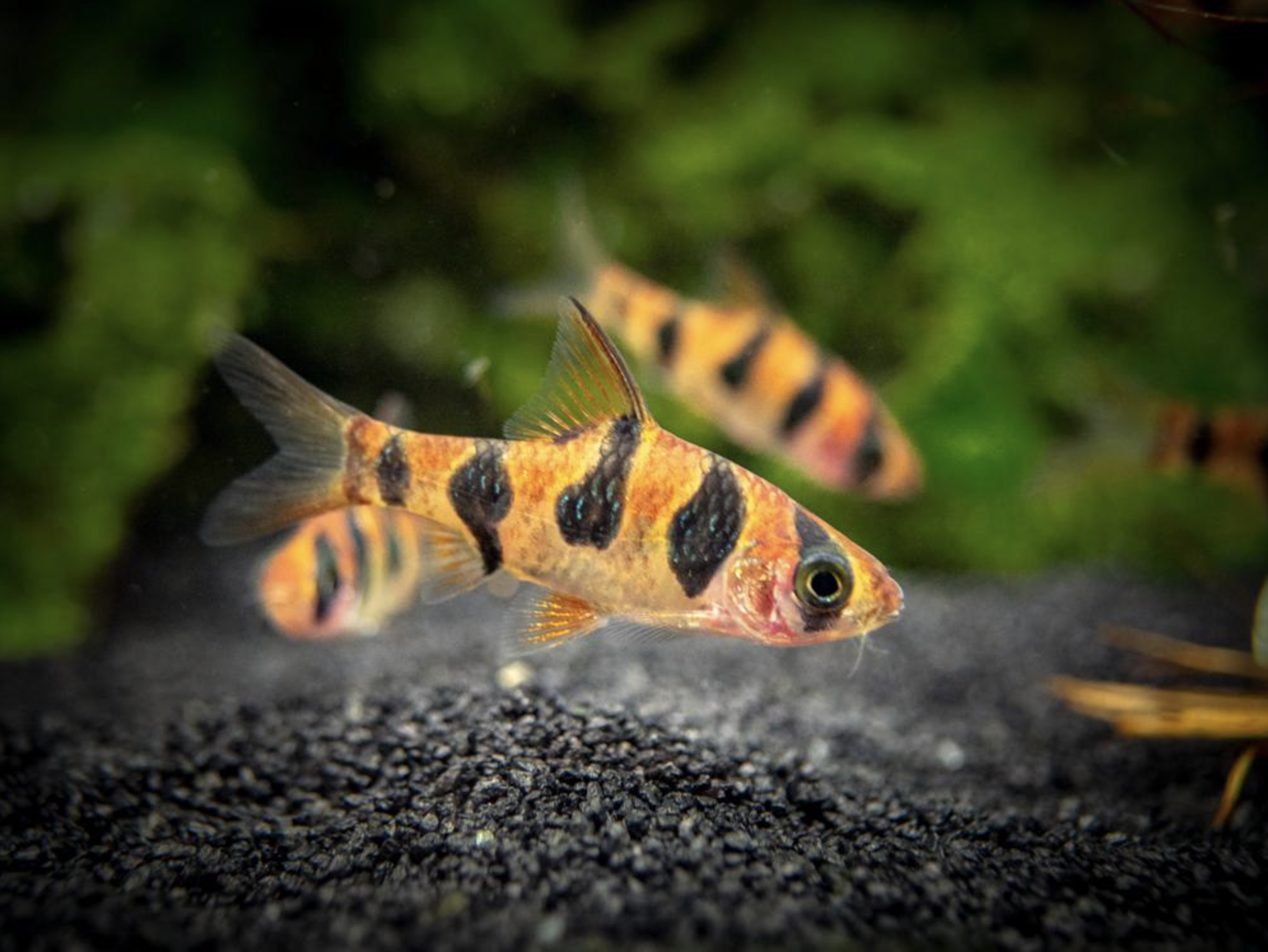
Important Tankmate Rule: Never house them with large, predatory, or aggressive fish (like Cichlids or large Barbs) that could easily mistake them for a snack.
Excellent tankmates include:
-
Other nano fish such as Neon Tetras, Ember Tetras, and Celestial Pearl Danios.
-
Peaceful bottom dwellers like Pygmy Corydoras and Kuhli Loaches.
-
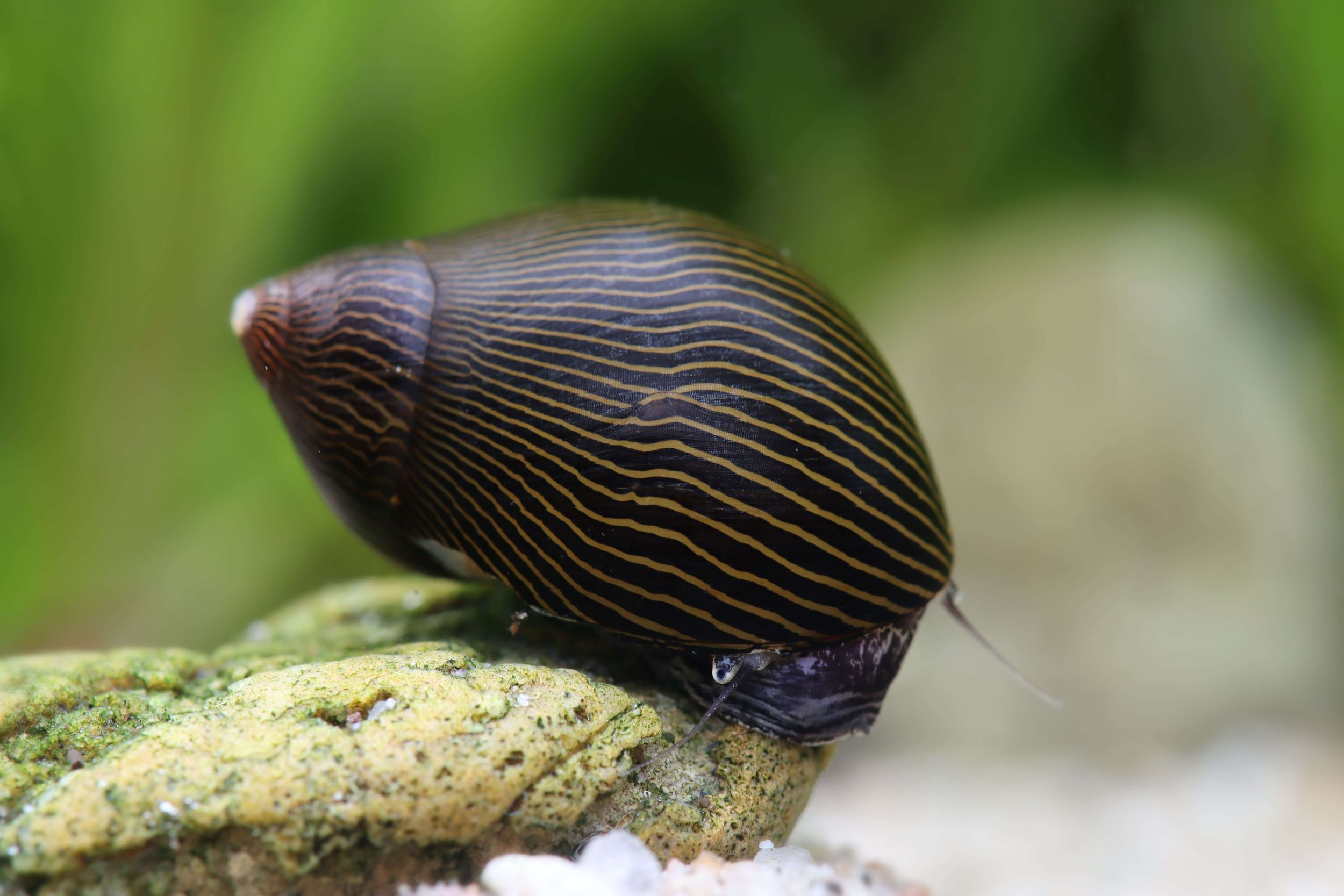
Adult freshwater shrimp (such as Cherry Shrimp or Amano Shrimp) and ornamental snails.
Reviews
There are no reviews yet.