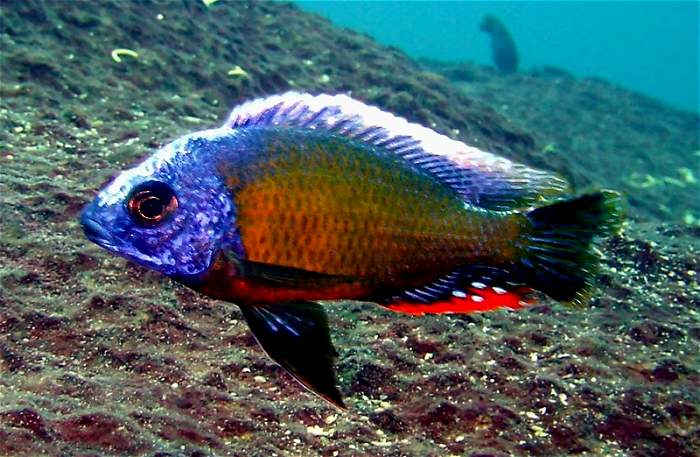
Introducing the Taiwan Reef Cichlid
The Taiwan Reef Cichlid (Protomelas sp. “Steveni Taiwan”) is a striking African cichlid originally collected from Taiwan Reef in Lake Malawi, Malawi. Despite its name, it is not from Taiwan but named after the specific rocky reef area in the lake. Males grow to about 6 inches (15 cm) and display an impressive combination of electric blue heads, bright golden‑orange flank colouration, and vivid red or orange fin edges, while females remain smaller and more silvery‑brown in appearance.
This species is ideal for beginner aquarists who want bold colour and activity without overly aggressive behaviour. Taiwan Reef Cichlids are generally milder than many other Malawi cichlids if kept in sufficient space and with a suitably calm community. They are also maternal mouthbrooders, which means the female holds the eggs and newly hatched fry in her mouth for several weeks, offering a fascinating breeding display for hobbyists.
Recommended Aquarium Setup
For a small group, a minimum tank size of 55 gallons (208 litres) is recommended, with 75 gallons or larger preferred as the fish mature. The tank should mimic the rocky shoreline habitat of Lake Malawi, with plenty of open swimming space and a rocky structure made of stacked stones and caves. A fine‑grain sand or soft‑gravel substrate is ideal, as these fish often sift through the bottom in search of food.
Water quality is very important for long‑term health. Maintain a stable temperature between 23–28 °C (73–82 °F) and a pH between 7.5 and 8.6. The water should be alkaline and moderately hard (approximately 10–20 dGH), and many keepers use Malawi‑type buffering salts or limestone rocks such as travertine to help stabilise hardness and pH. Strong filtration plus regular partial water changes (20‑30% weekly) are essential because these fish eat actively and produce a fair amount of waste.
Diet and Feeding Guidance
Taiwan Reef Cichlids are omnivorous and will accept a wide variety of foods. Their staple diet should be a high‑quality cichlid pellet or flake formulated for African cichlids, supplemented with vegetable‑based foods such as spirulina flakes or blanched spinach, zucchini, or peas. Occasional live or frozen foods like brine shrimp, bloodworms, or daphnia can be offered to enhance colour and condition, but should not be the main diet.
Feed 2–3 times per day, offering only what the fish can consume within a few minutes to avoid polluting the water. Overfeeding is a common cause of poor water quality and related health issues such as Malawi bloat, so careful portion control is important.
Compatibility and Behaviour
Taiwan Reef Cichlids display mild territorial behaviour, especially from dominant males, but they are considered relatively peaceful compared with many other Lake Malawi species. They are well suited to mixed African cichlid biotopes, especially when kept with other peaceful Haplochromis‑type cichlids and non‑boisterous species. Avoid housing them with very aggressive or highly territorial mbuna, as this can increase stress and suppress breeding.
For best results, keep one male with several females (at least 3–4) to spread aggressive attention and reduce stress on individual fish. Males become especially colourful when displaying to females, adding a dynamic focal point to the aquarium.
Health and Maintenance Tips for Beginners
Taiwan Reef Cichlids are generally hardy when kept in stable, clean water and fed a balanced diet. Common issues such as Malawi bloat, ich, and fin‑rot are often linked to poor water quality, overcrowding, or unsuitable diets rather than the fish itself. Avoid sudden changes in temperature or pH, and quarantine new arrivals where possible to prevent the introduction of disease.
Regular use of a good water test kit to monitor pH, ammonia, nitrite, and nitrate is recommended. Keeping nitrate low (ideally under 50 mg/L) and maintaining excellent filtration and water flow will help these fish thrive for many years.
Reviews
There are no reviews yet.