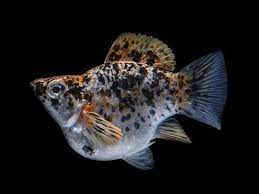
The Calico Balloon Molly (Poecilia sphenops) is a beautifully distinct variety of the common molly, prized for its eye-catching aesthetic and whimsical swimming style. Through specialized selective breeding, these fish feature a shortened, rounded abdomen that gives them their signature balloon shape. The “Calico” designation refers to their gorgeous, high-contrast mottled pattern—featuring a random, beautiful blend of shimmering white, deep black, and fiery orange scales. No two fish look exactly alike!
Why They Are Perfect for Beginners
For those new to the fishkeeping hobby, consistency is the key to success. Balloon Mollies are incredibly forgiving and adaptable, acting as an excellent teaching species. They are livebearers, meaning they give birth to free-swimming baby fish (fry) rather than laying eggs. Witnessing this lifecycle is one of the most rewarding experiences a beginner aquarist can have.
Tank Setup and Water Chemistry
While standard mollies can sometimes adapt to smaller setups, the Balloon Molly produces a fair amount of metabolic waste for its size due to its high appetite.
-
Filtration: A high-quality Hang-On-Back (HOB) or an efficient sponge filter is highly recommended to maintain crystal-clear water conditions.
-
Water Stability: These fish absolutely thrive in hard, slightly alkaline water. It is vital to utilize an aquarium heater with a reliable thermostat, as sudden temperature fluctuations can stress their immune systems.
-
Aquascaping: Decorate your aquarium with a sandy or fine gravel substrate, and line the perimeter with hardy live plants like Java Fern, Anubias, or Water Wisteria. This leaves plenty of open swimming space in the center while giving them natural areas to graze and rest.
Diet and Feeding Routine
Calico Balloon Mollies are enthusiastic, unfussy eaters. In nature, a massive portion of their diet consists of picking at algae. To replicate this and keep their digestive systems healthy, provide a varied diet:
-
Base Diet: High-quality tropical flakes or pellets formulated specifically for livebearers.
-
Vegetable Matter: Supplement with spirulina flakes, algae wafers, or occasional blanched vegetables (like zucchini or shelled peas).
-
Protein Treats: Feed frozen or freeze-dried bloodworms, brine shrimp, or daphnia once or twice a week.
Beginner Tip: Feed your mollies 1 to 2 times daily, providing only what they can fully consume within two minutes. Overfeeding is the leading cause of poor water quality for new aquarists!
Ideal Companions (Community Compatibility)
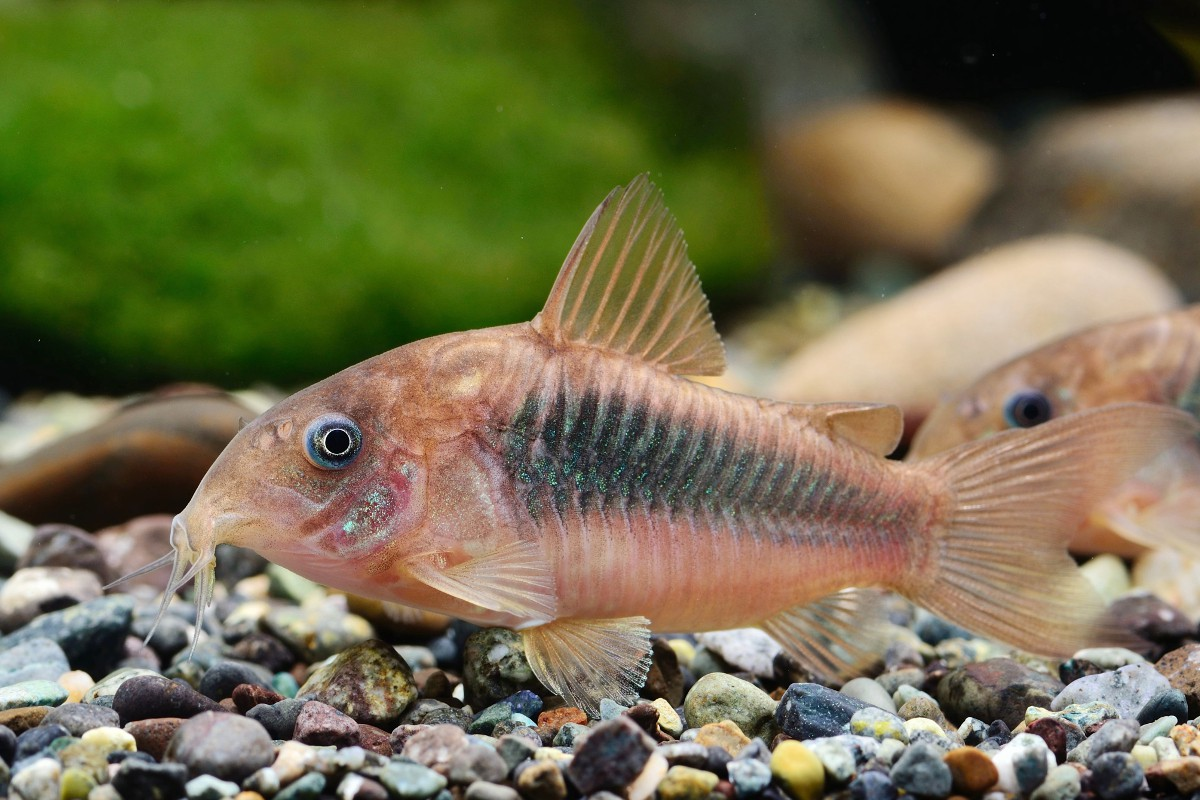
These social fish love the company of their own kind. When stocking, it is best to maintain a ratio of two or three females for every one male to prevent the females from being overly harassed. They cohabitate beautifully with other peaceful community species such as Guppies, Platies, Swordtails, Tetras, and Corydoras catfish. Avoid housing them with aggressive tank mates or notorious fin-nippers (like Tiger Barbs), as the molly’s slower, balloon-shaped swimming style makes them easy targets.

Reviews
There are no reviews yet.