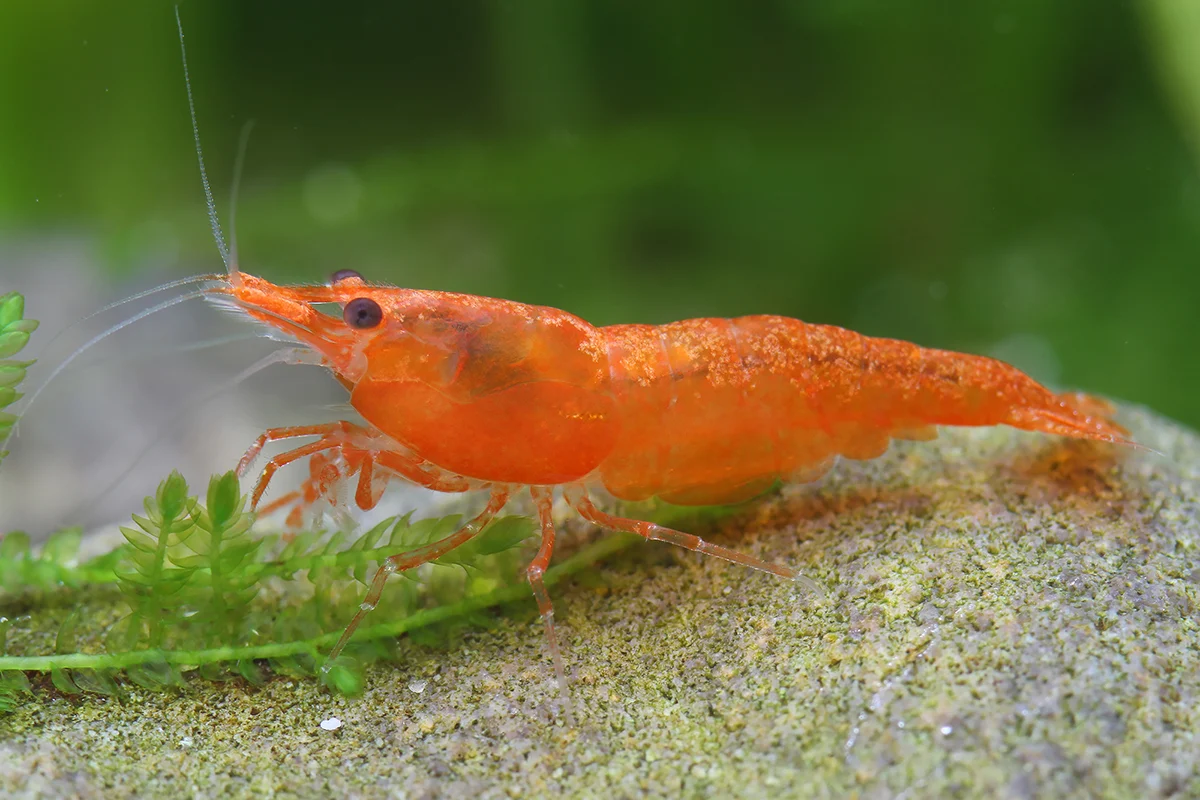
The Orange Sakura Shrimp is a selectively bred color variant of the incredibly resilient Neocaridina family. Characterized by a solid, translucent-to-opaque orange shell, these active invertebrates bring both beauty and utility to freshwater aquariums. They spend their days meticulously cleaning the tank by foraging across substrate, driftwood, mosses, and plant leaves.
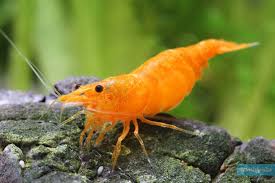
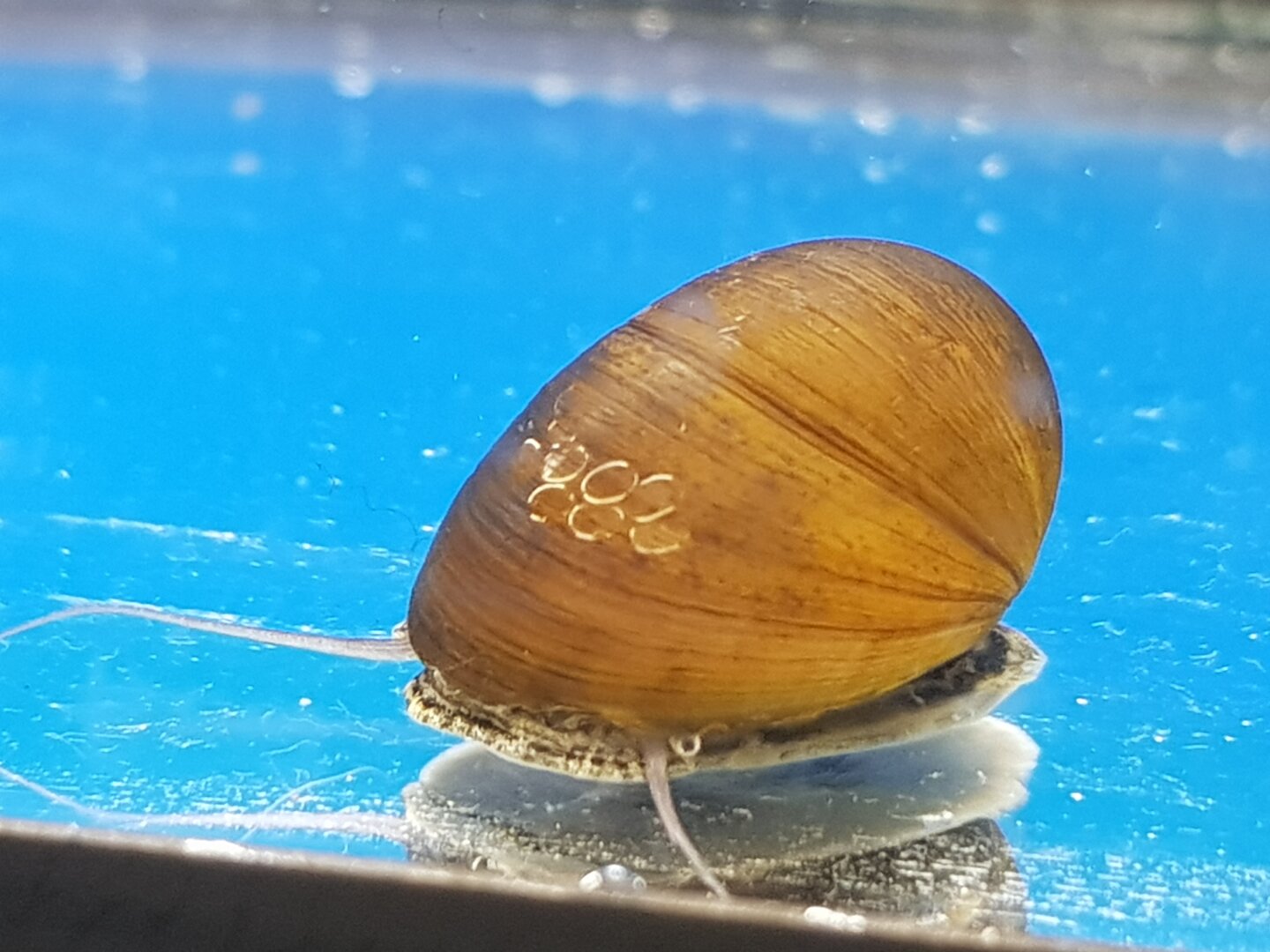
Orange Sakura Shrimp displaying solid color saturation.
Because they are completely non-aggressive, they spend their entire lifecycle safely coexisting with other peaceful tankmates, making them a joy to observe as they swim and graze in small social groups.
Why They Are Perfect for Beginners
-
Exceptional Climate Adaptability: Unlike delicate cardinia shrimp species, Neocaridina thrive in a wide range of water parameters and can easily adapt to standard tap water (once safely conditioned to remove chlorine).
-
Natural Ecosystem Maintenance: They function as a highly efficient biological cleanup crew. They constantly consume organic detritus, decaying plant matter, and various forms of soft algae, keeping your aquascape looking pristine.
-
Effortless Breeding: If kept in clean water with a stable food source, these shrimp will readily breed in a home aquarium. Females carry eggs under their pleopods (swimmerets) for roughly 30 days before releasing fully formed, miniature versions of themselves.
Diet & Feeding Guidelines
Orange Sakura Shrimp are opportunistic omnivores. In a mature, heavily planted aquarium, they can largely sustain themselves on naturally occurring biofilm (a microscopic layer of beneficial bacteria and algae) and organic waste.
To support optimal health, vibrant shell coloration, and successful molting, we highly recommend supplementing their diet 2 to 3 times per week with:
-
High-quality, calcium-enriched sinking shrimp pellets or wafers.
-
Blanched organic vegetables (such as spinach, zucchini, or shelled peas).
-
Natural botanicals like Indian Almond Leaves (Catappa leaves), which release beneficial tannins and create an ongoing grazing ground for biofilm.
Important Note on Water Chemistry: Like all aquatic invertebrates, dwarf shrimp are highly sensitive to copper. Always read the ingredients on aquarium medications and plant fertilizers carefully to ensure they are explicitly labeled as shrimp-safe.
Ideal Aquarium Companions
Due to their diminutive maximum size of roughly 1.25 inches (3.2 cm), these shrimp should only be housed alongside completely peaceful, non-predatory tankmates.
-
Excellent Companions: Small freshwater snails (Nerite, Mystery, or Ramshorn), Otocinclus catfish, Pygmy Corydoras, micro-rasboras, and Neon Tetras.
-
Species to Avoid: Large or aggressive fish such as Cichlids, Angelfish, Barbs, and large Gouramis, which will view your shrimp as a food source.
Acclimation Recommendations
To give your new arrivals the safest start possible, we strongly advocate using the drip acclimation method upon arrival. Slowly blending your aquarium’s water into their shipping container over a span of 1 to 2 hours prevents osmotic shock, ensuring a smooth transition into their new home.
Reviews
There are no reviews yet.